The Netherlands is globally known for its advanced livestock farming and high-quality Cows, goats, sheep and poultry breeds. The main livestock reared in the our farm include:
The Dutch Belted

The Holstein Friesian

The Meuse-Rhine-Yssel

Groningen White Head
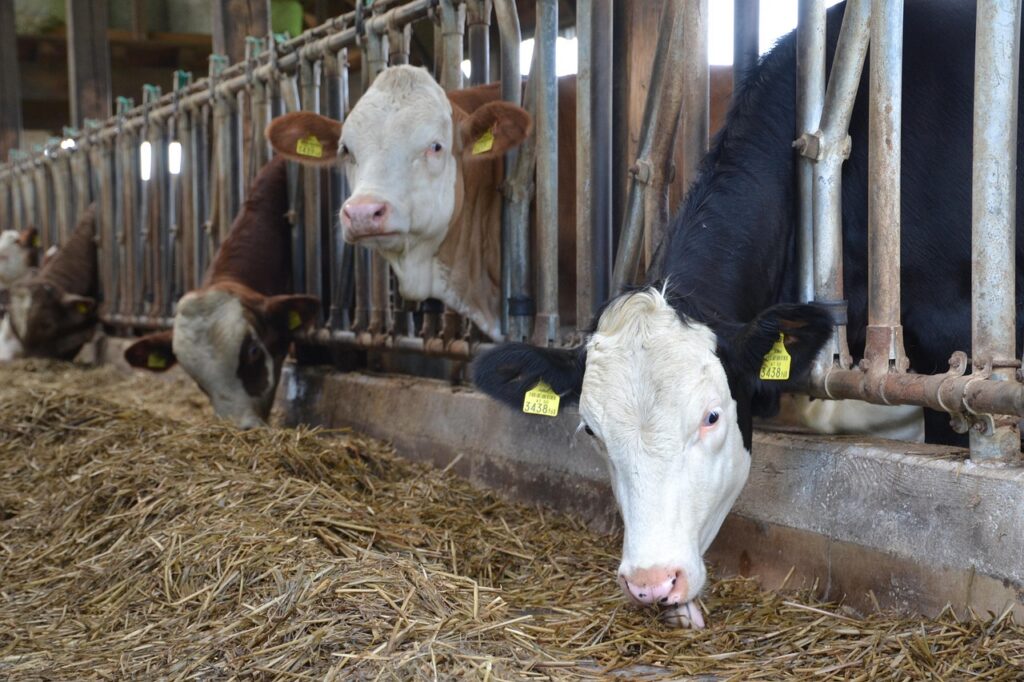
- Cattles
The Netherlands is internationally recognized for its advanced dairy sector and high-quality cattle genetics. The most prominent breeds reared there include the Holstein Friesian, Dutch Belted, Meuse-Rhine-Yssel (MRIJ), and Groningen White Headed. These breeds are valued for their productivity, adaptability, and superior output, making them ideal for modern livestock enterprises such as Wessex Hoeve Farm.
The Holstein Friesian is the most widely kept dairy breed, known for its exceptional milk yield. It produces large volumes of milk, making it essential for meeting bulk dairy demand and supporting large-scale processing. At Wessex Hoeve Farm, this breed forms the backbone of milk production, ensuring a consistent supply for both fresh consumption and processing.
The Dutch Belted, with its distinctive white belt, is prized for producing rich milk with high butterfat and protein content. This makes it particularly important for value addition, especially in the production of premium dairy products such as cheese, butter, and yogurt.
The Meuse-Rhine-Yssel (MRIJ) is a dual-purpose breed, providing both quality milk and beef. Its balanced productivity makes it economically valuable to the farm, allowing diversification into both dairy and meat markets while maintaining efficiency.
The Groningen White Headed is a traditional breed known for its resilience and longevity. It performs well under varying conditions and contributes to sustainable farming practices due to its hardiness and lower maintenance needs.
At Wessex Hoeve Farm, these Dutch breeds play a crucial role in enhancing productivity, supporting value addition, and promoting food safety through high-quality outputs. Their combined strengths enable the farm to maintain a sustainable, profitable, and internationally competitive livestock operation.
Dutch White Goat

Dutch Toggenburg

Boer Goat

2. Goats
The Netherlands is well known for its efficient and specialized goat farming, particularly in dairy production. The major goat breeds reared include the Dutch Toggenburg, Dutch White Goat, and the Boer Goat. These breeds are selected for their productivity, adaptability, and high-quality outputs.
The Dutch Toggenburg is also a strong dairy breed, producing consistent milk with good protein content, making it suitable for value-added dairy products. The Dutch White Goat is hardy and adaptable, capable of performing well under different management systems while maintaining reliable milk production.
In addition to dairy breeds, the Boer Goat is widely reared for meat. It grows quickly and produces high-quality chevon, supporting the farm’s meat production and diversification efforts.
At Wessex Hoeve Farm, these goat breeds play a crucial role in enhancing both dairy and meat production. They support value addition through products like goat cheese, yogurt, and processed meat. Their adaptability and efficiency also contribute to sustainable farming, food security, and income generation through local and international markets.
Texel Sheep
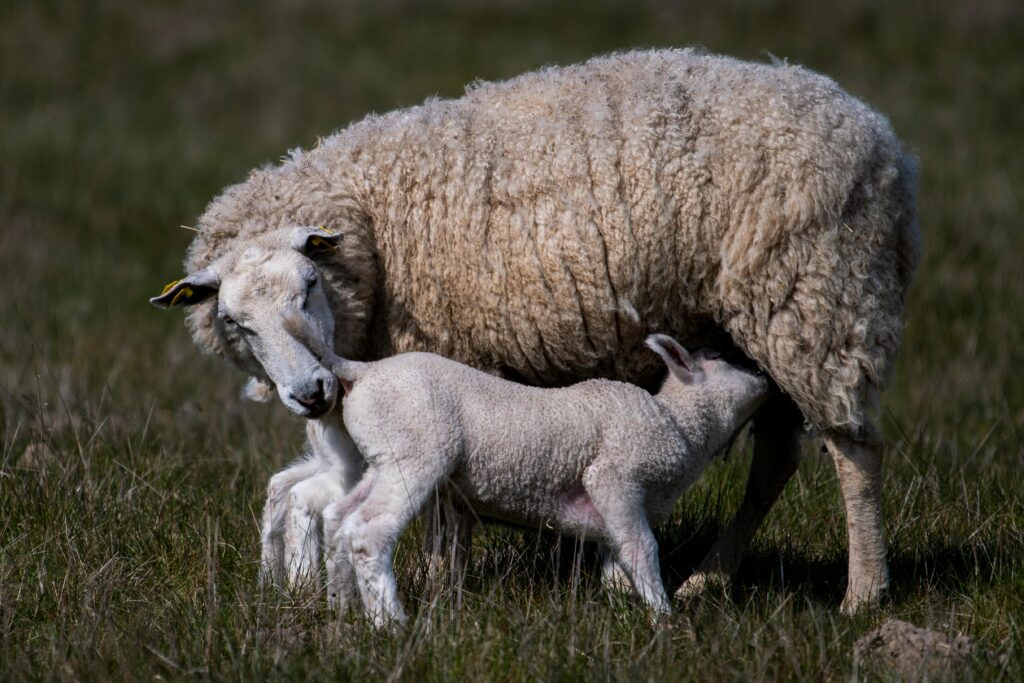
Zwartbles
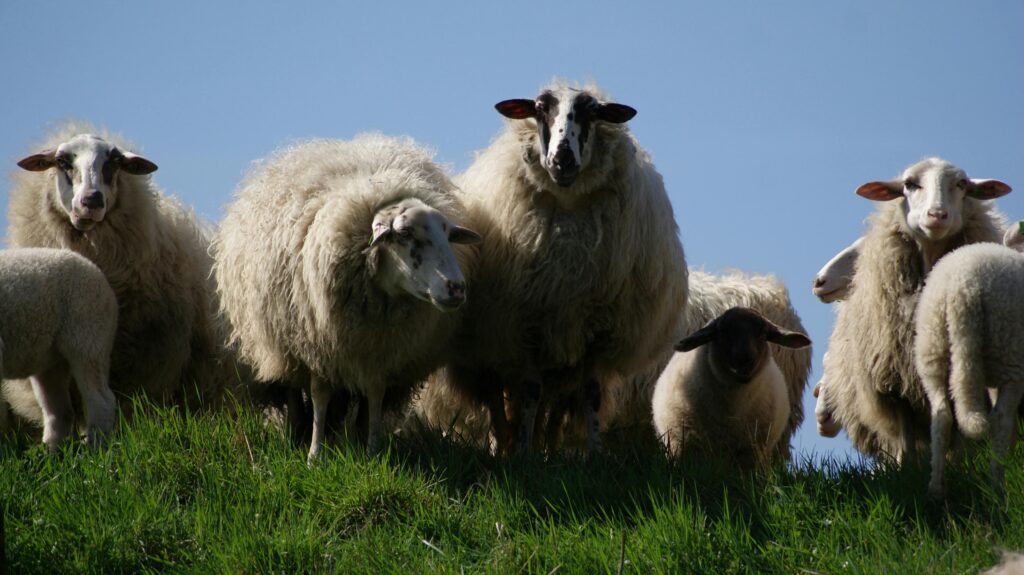
Veluws Heideschaap

Flevolander

3. Sheep
The Netherlands is home to several high-quality sheep breeds valued for meat, wool, and adaptability. Major breeds include the Texel Sheep, Zwartbles, Flevolander. These breeds are carefully selected for their productivity and resilience under different farming conditions.
The Texel sheep is the most prominent breed, internationally recognized for its superior meat quality, lean carcass, and fast growth rate. It plays a key role in commercial lamb production. The Zwartbles is a dual-purpose breed, valued for both meat and milk, and is also known for high fertility and excellent mothering ability. Flevolander sheep are modern and highly productive, offering both good meat yield and reproductive performance.
At Wessex Hoeve Farm, these Dutch sheep breeds are essential for diversifying livestock production. They provide high-quality lamb and mutton, as well as wool for textile and craft use. Their adaptability supports efficient pasture utilization, while their productivity enhances value addition through processed meat and wool products, contributing to food security, income generation, and sustainable farming practices.
Dutch Bantam
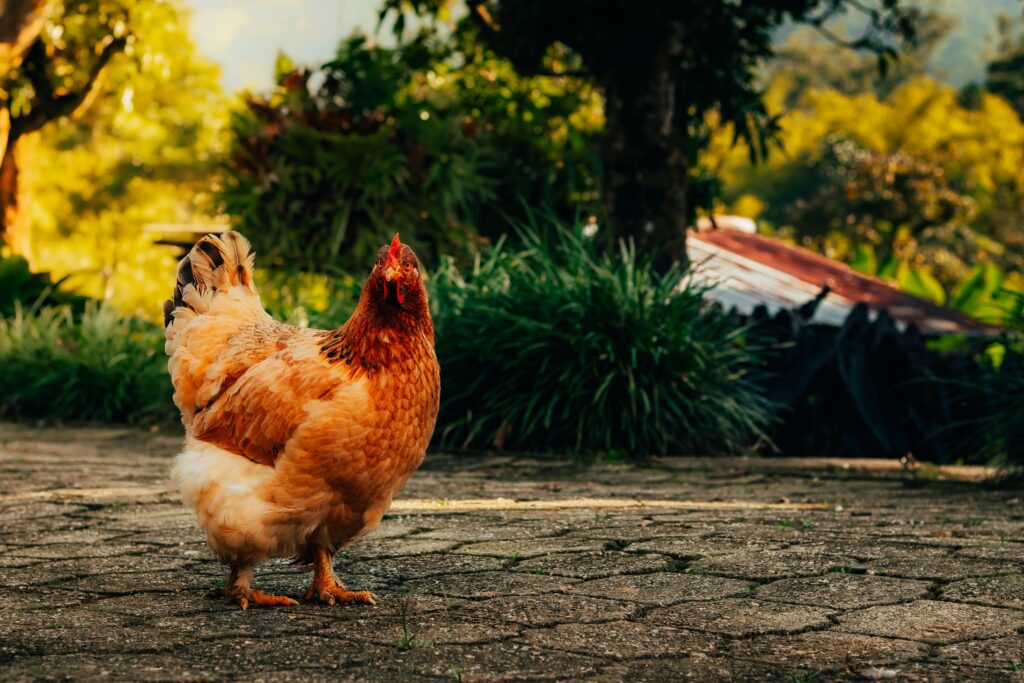
Breda Chicken

Welsummer
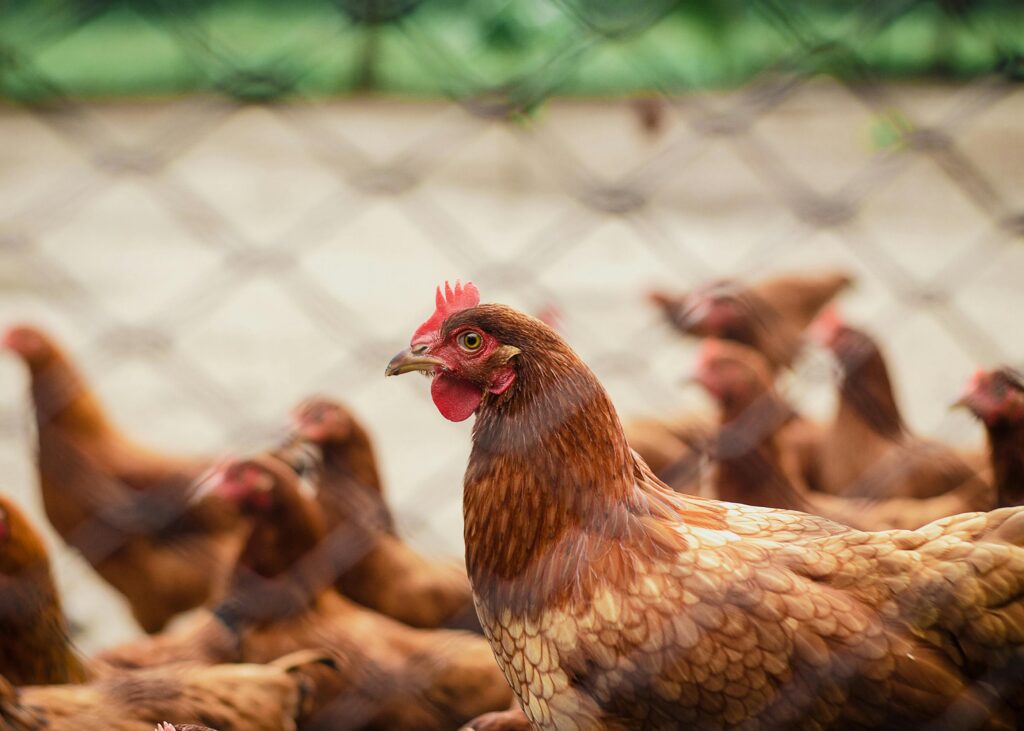
Barnevelder
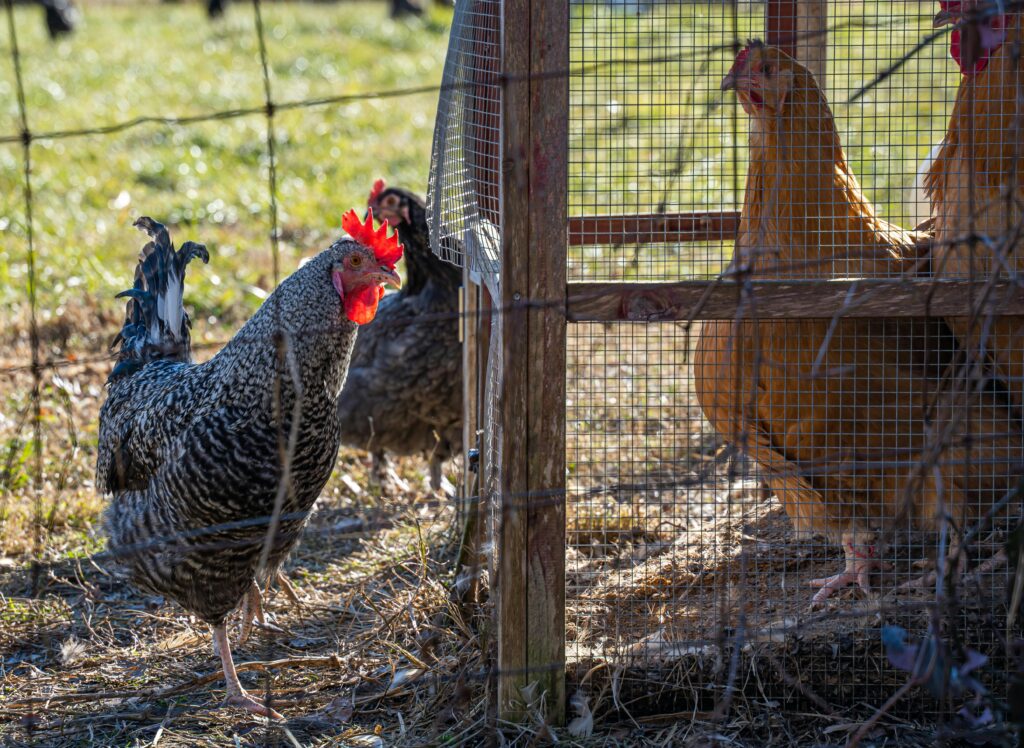
Dutch Leghorn

4. Poultry
The Netherlands has a rich poultry farming tradition, with several breeds valued for egg production, meat quality, and adaptability. Major poultry breeds include the Dutch Leghorn, Barnevelder, Welsummer, and Breda Chicken. These breeds are widely recognized for their productivity and suitability for both commercial and small-scale farming systems.
The Dutch Leghorn is a highly efficient egg-laying breed, producing a large number of white eggs and thriving under intensive systems. The Barnevelder is a popular dual-purpose breed, known for its rich brown eggs, good meat quality, and calm temperament, making it easy to manage. The Welsummer is valued for its dark brown eggs and adaptability to free-range conditions, contributing to sustainable poultry farming. The Breda Chicken, one of the oldest Dutch breeds, is appreciated for both meat and egg production, as well as its unique appearance.
At Wessex Hoeve Farm, these poultry breeds play a vital role in ensuring a steady supply of high-quality eggs and chicken meat. They support value addition through graded and packaged eggs, processed chicken products, and specialty lines. Their adaptability and productivity contribute to food security, income generation, and efficient farm operations.