Welcome To Wessex hoeve Farm
“Happy Livestock, Happy Farmer, Trusted Quality for Every Consumer.”
Welcome To Wessex hoeve Farm
“Happy Livestock, Happy Farmer, Trusted Quality for Every Consumer.”
Welcome To Wessex hoeve Farm
“Happy Livestock, Happy Farmer, Trusted Quality for Every Consumer.”
Welcome To Wessex hoeve Farm
“Happy Livestock, Happy Farmer, Trusted Quality for Every Consumer.”
Welcome To Wessex hoeve Farm
“Happy Livestock, Happy Farmer, Trusted Quality for Every Consumer.”
Welcome To Wessex hoeve Farm
“Happy Livestock, Happy Farmer, Trusted Quality for Every Consumer.”
Welcome To Wessex hoeve Farm
“Happy Livestock, Happy Farmer, Trusted Quality for Every Consumer.”
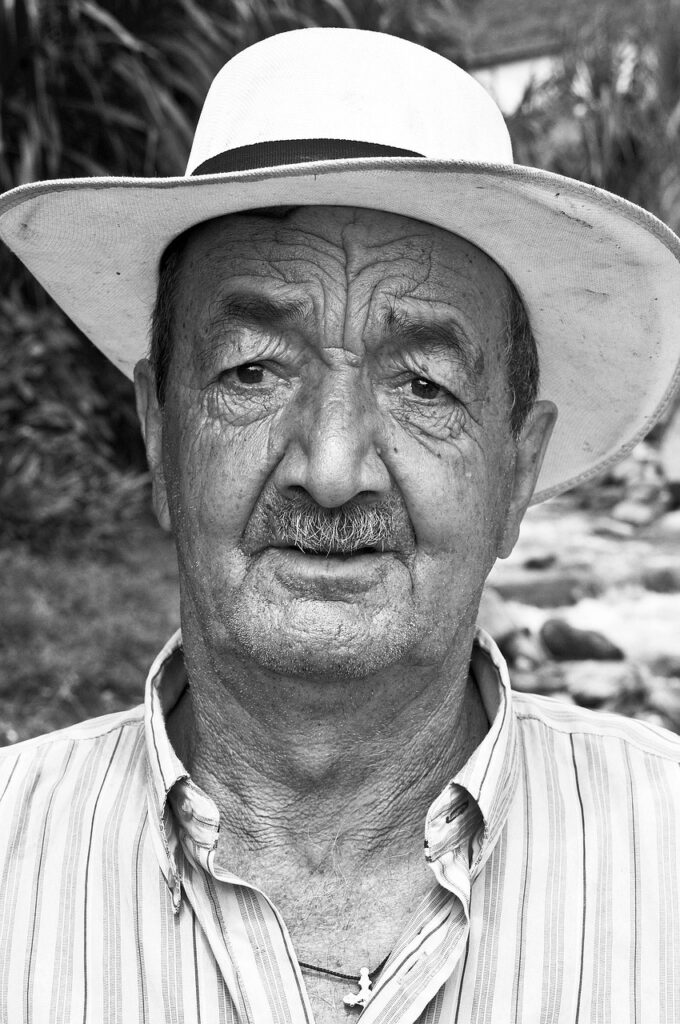
Farm Wessex Hoeve started In the Year 1948 as small simple farm with few cows, goats and chickens. Many people advised me aganist it: it would be difficult to make farming a success.
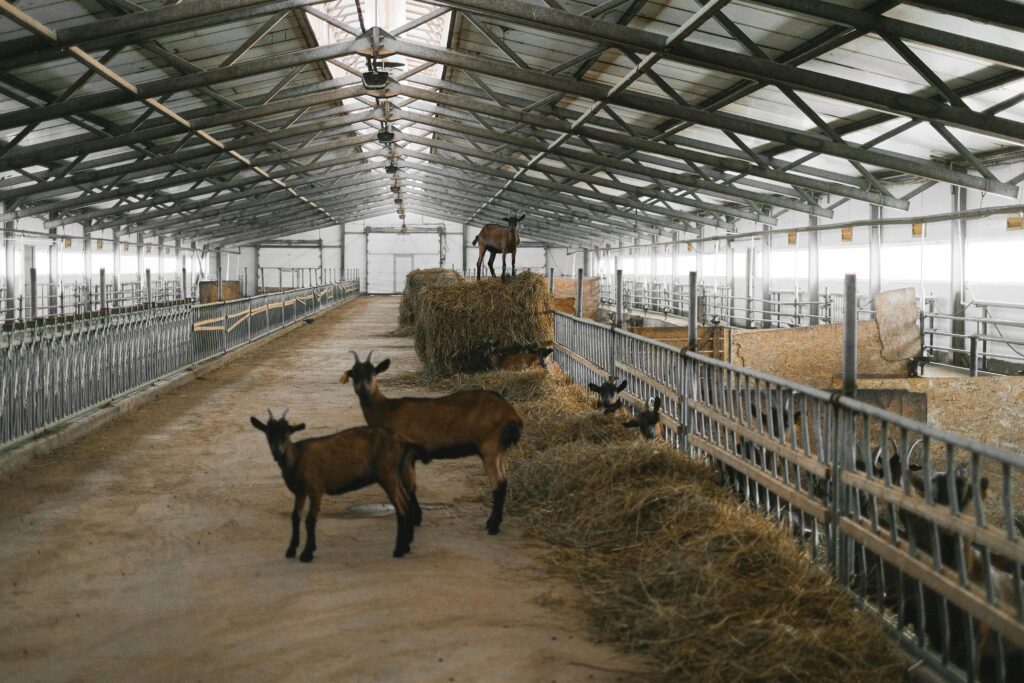
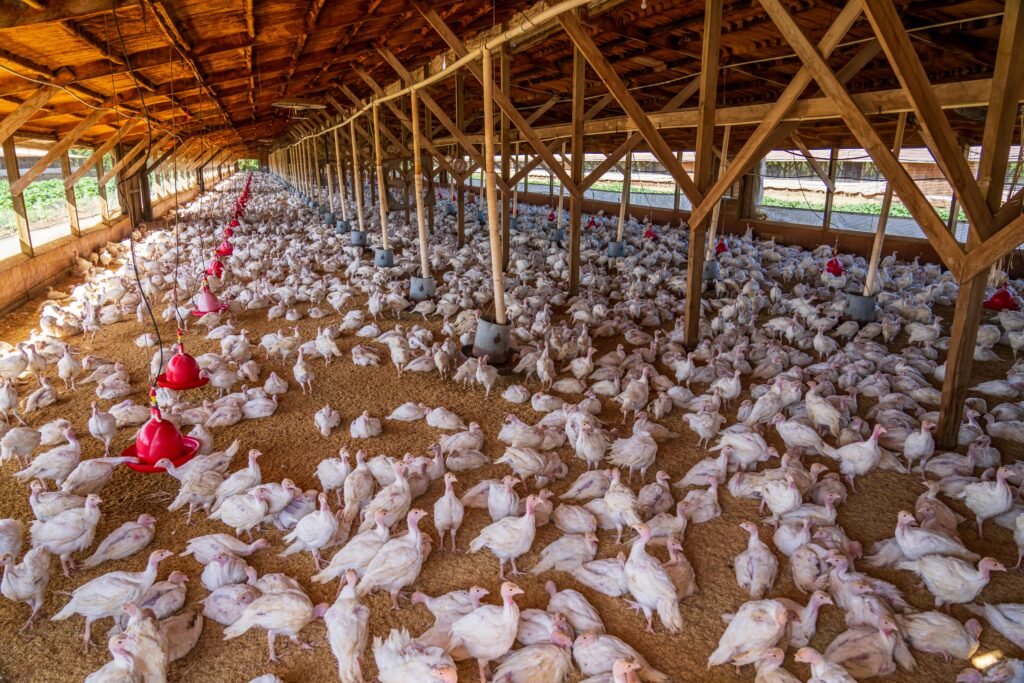
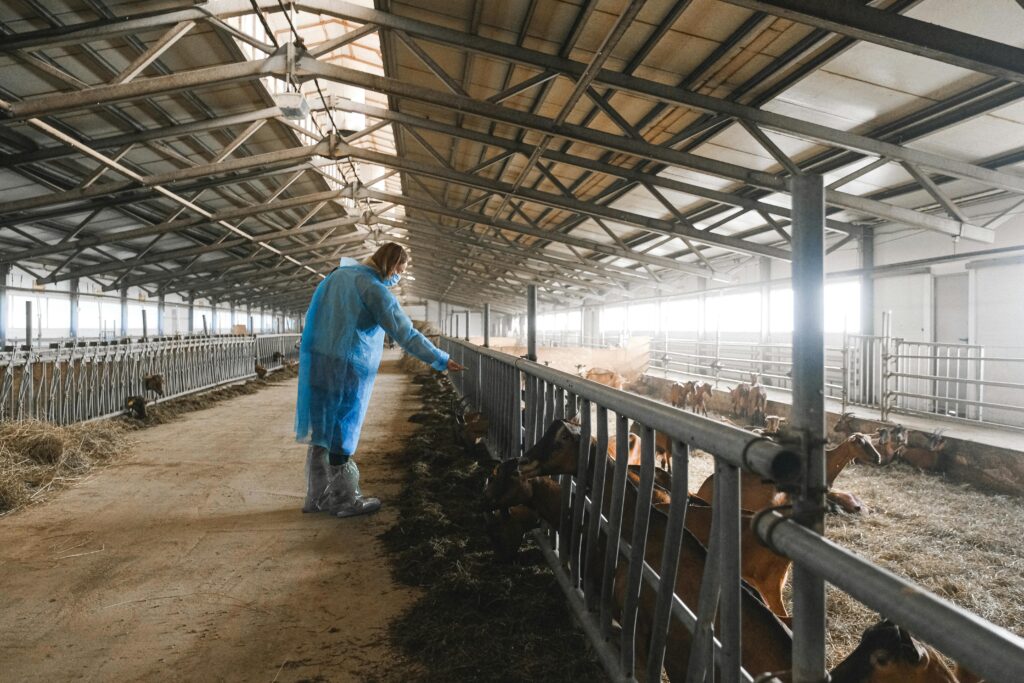
What started as a small farm with a few animals grew into a trusted and thriving livestock enterprise with over 3000 heads of livestock ( cattle, sheep, goats) & 2100 chicken on 1000 acres of land. We proudly create meaningful employment for both local communities and international recruits, while strengthening food safety through high-quality produce.
Our commitment to excellence and value addition is driven by carefully selected exotic breeds of cows, goats, chickens, and sheep, ensuring sustainability and nourishment for generations to come.
Hendrik Van Der Meer
Farm Founder
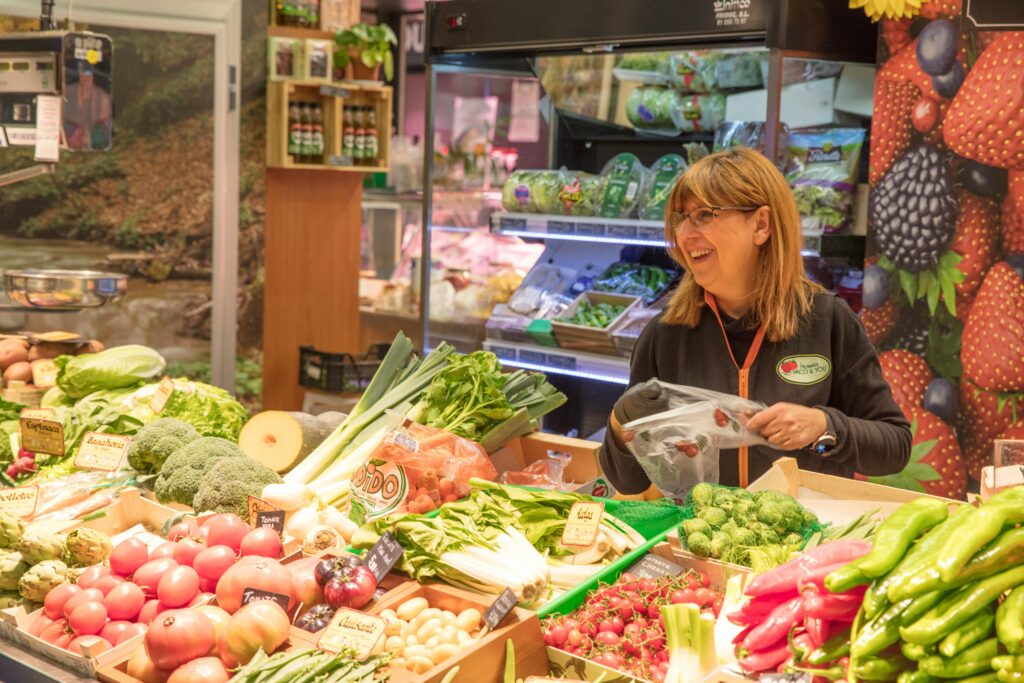
Farm shop
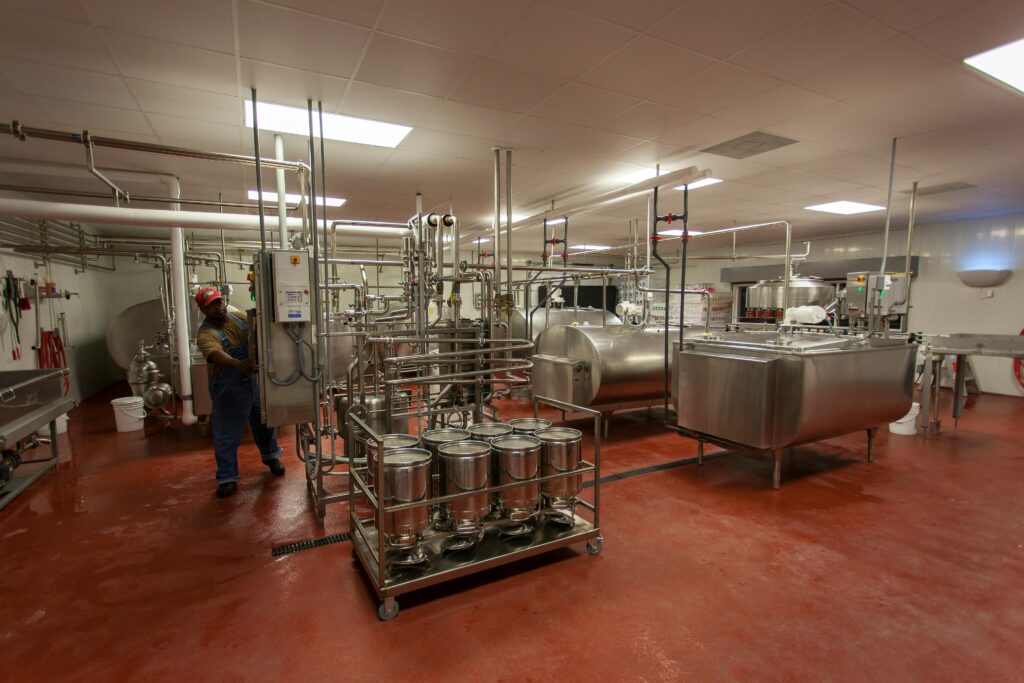
Here we sell our Fresh Farm produce (fresh groceries, meat, dairy, cheese) and many other delicious ethically sourced products to the farm worker, visitors and interested neighbour!
We also carefully put together gift packages
KNOW WHO WE ARE…
Mission Statement
To raise and source livestock through ethical, sustainable farming practices that ensure animal welfare, empower farmers, and deliver safe, high-quality certified products to consumers.
Vision Statement
To become a leading and trusted provider of ethically produced livestock products in Africa, where happy animals, thriving farmers, and confident consumers are at the heart of a sustainable food system.
Core Values
1. Animal Welfare – Well-treated livestock is our priority.
2. Farmer Empowerment – Supporting livelihoods and fair practices.
3.Quality Assurance – Safe, certified, and reliable.
4. products Sustainability – Responsible farming for future generations & Transparency with consumers.
The Farm plays a significant role in supporting livelihoods, enhancing nutrition, and contributing to the wider economy. As an agricultural enterprise, its impact extends beyond simply producing food to influencing social and economic development within the community. The farm creates employment opportunities for local people, providing a steady source of income that helps improve living standards and reduce poverty. Through these opportunities, workers also gain valuable skills that can be applied in other areas of agriculture and business.
In addition, the farm contributes to community development by supporting local supply chains and encouraging economic interactions with nearby businesses. This helps strengthen the local economy and fosters a sense of shared growth and stability.
Furthermore, it promotes sustainable farming practices that protect the environment while maintaining productivity.